Unlocking Reliable Water Access across Northern Canada
For the first time, communities across Inuit Nunangat will own the technology and data they need to make water interruptions rare and brief.
September 16, 2026

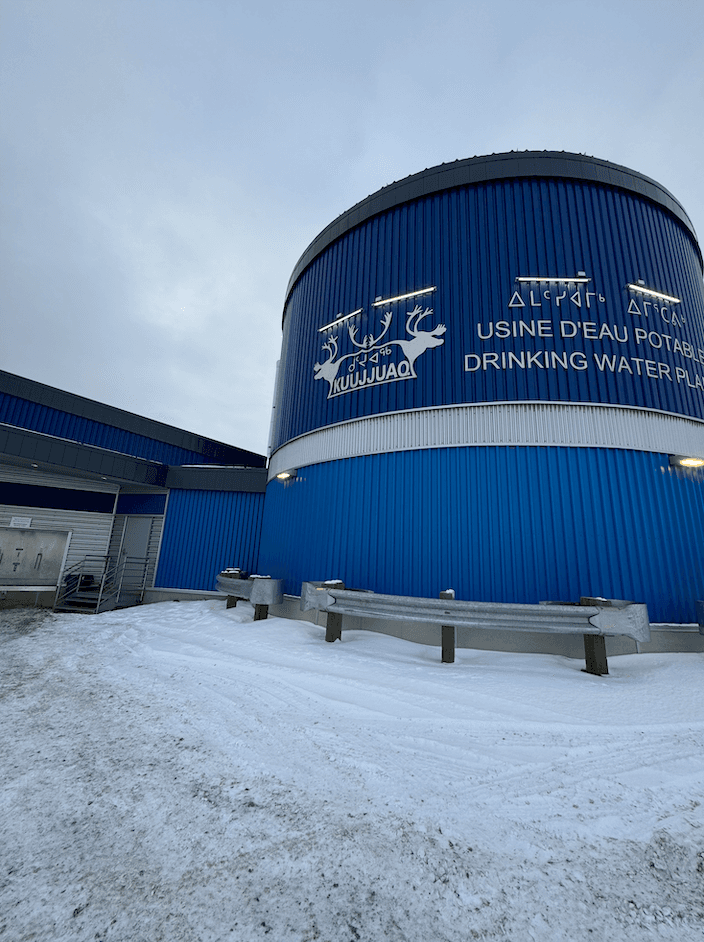
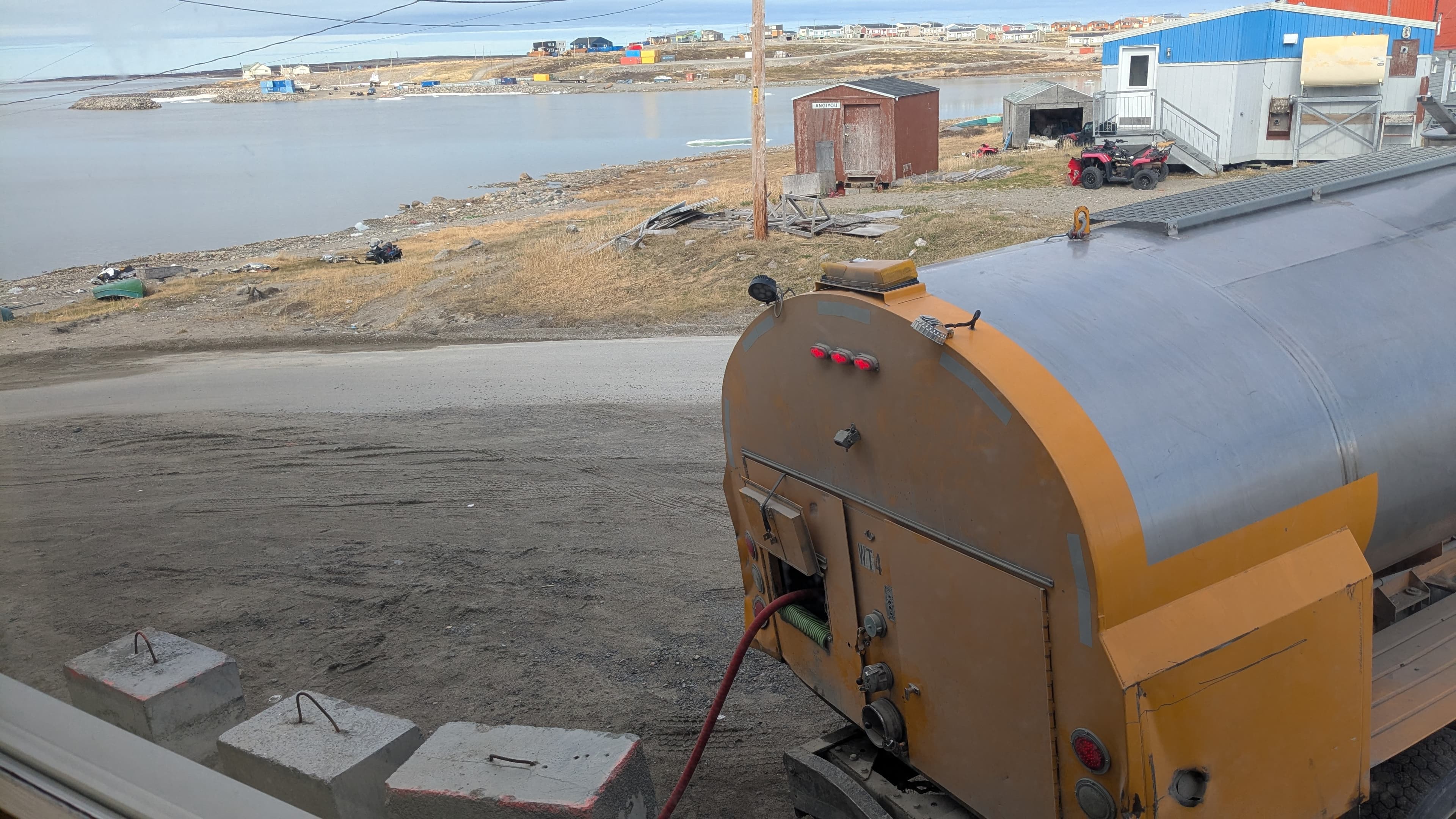
Across Inuit Nunangat, 41 of 51 Inuit communities rely on municipal trucks as the sole way households access drinking water.
These communities face significant infrastructure constraints compounded by Arctic geography, historical underinvestment, and systemic inequities that continue to impact residents' daily lives.
We've been partnering with the Kativik regional government and local Northern Village governments to build the systems necessary to guarantee reliable service delivery in the region.
The Challenge
Residents faced uncertainty about when service would arrive, leading to water shortages. These conditions pose significant health and safety risks on a population already faced with disproportionately high infectious disease burdens — active tuberculosis rates in Inuit communities are 38x the Canadian per capita average. In 2019, Nunavik teachers warned that students' health was being compromised by unreliable water and sanitation.
Drivers worked from static paper routes that couldn't adapt to daily realities like staffing shortages or urgent requests
Receptionists manually coordinated service calls over radio with no visibility into driver locations or route progress
Foremen and administrators lacked the data to make informed decisions about route optimization or service improvements. The full impact of the service challenge remained unclear in the absence of reliable data for existing water and sanitation systems.
Our Approach
Code for Canada has been partnered with several interest holders for a multi-phase engagement spanning an inclusive user research phase, prototyping and pilot deployment, and full scale rollout—embedding directly with the partner teams to co-develop a solution grounded in user needs.
Methodology
- User-centered discovery research with residents, drivers, the water-plant manager, foreman, receptionist, and Northern Village + KRG leaders to map pain points and opportunities across the entire system
- Behavioural research using the COM-B model to understand truck driver motivation, capability, and opportunity for adopting new technology
- Co-design with locals — drivers, dispatchers, and local government staff are positioned as co-designers and stewards, ensuring the solution can be sustained long-term by the community
- Agile delivery with bi-weekly sprints, regular demos, and iterative product development based on direct feedback
- In-person engagements in multiple villages to validate assumptions, conduct training, and build relationships with on-the-ground users
- Inclusive design ensuring the solution worked from the very beginning for users of varying languages, levels of technical comfort and connectivity constraints
The solution
KIUJIK (meaning "receptionist" in Inuktitut, pronounced KEW-yik) is a low-connectivity dispatch and service-management system that transforms how water and sewage services are managed across the Northern Villages.
It replaces the pen and paper routes and radio coordination with a digital ecosystem that connects drivers, administrators, and residents.
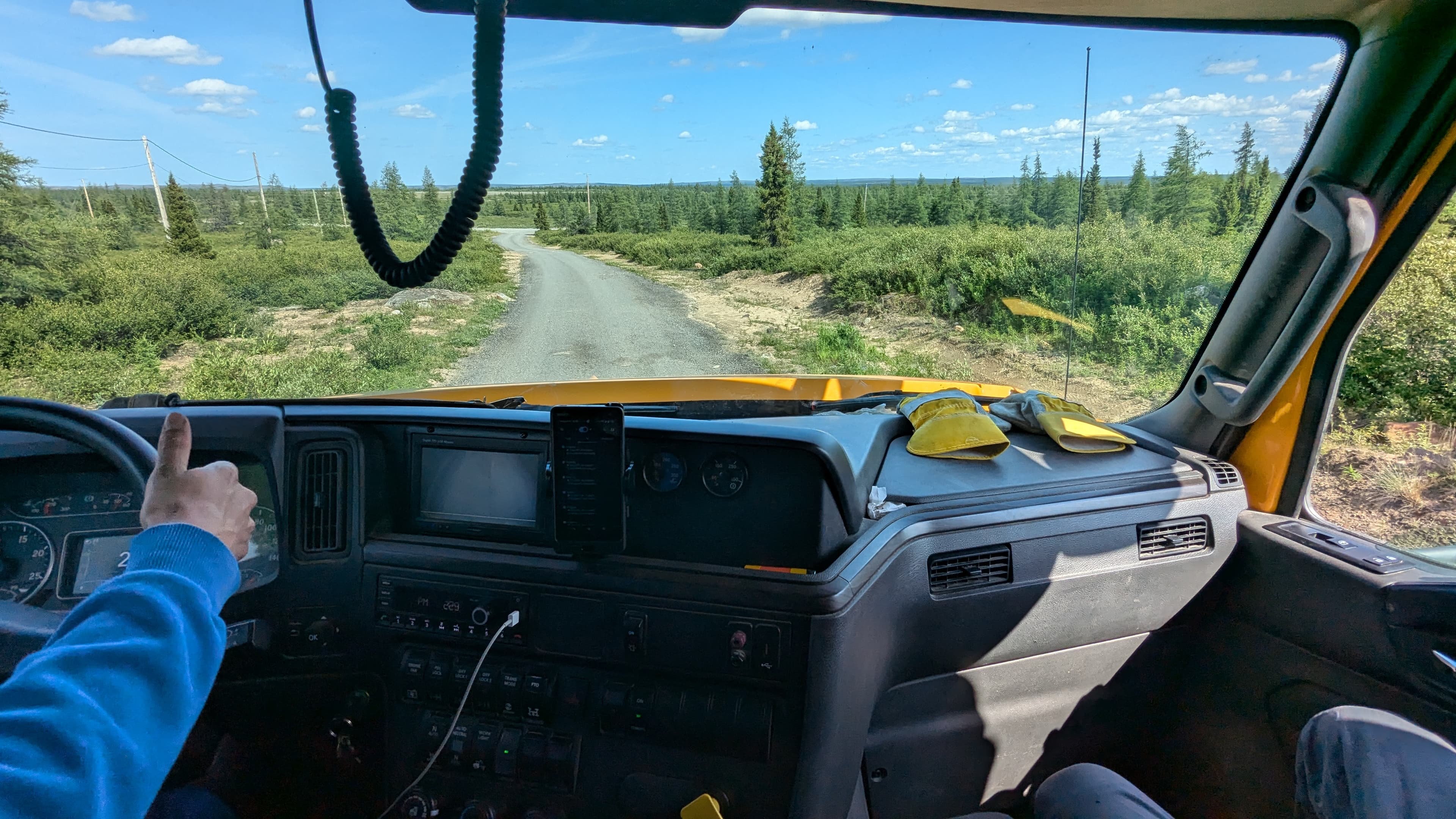
Driver-facing mobile app: Guides drivers through routes, tracks completion in real-time, and works reliably even in low-connectivity environments. It was designed for offline use with data syncing when trucks return to garages with internet
Administrator portal: Enables administrators in the villages or region to manage their operations, monitor service data in real-time.
Resident request system: Centralizes requests from online forms, phone, text, and local facebook groups, enabling rapid response and built in confirmation — making the system accessible to households with or without reliable internet. As many Elders rely on landlines and smartphone access is not universal, the team prioritized an automated phone-based request system alongside an easily accessible web form.
Data dashboards: Provide operational visibility for supervisors and leadership to track service delivery and make evidence-based decisions for future investment.
KIUJIK has been rolled out in the two largest villages in Nunavik (so far) and has already fundamentally shifted residents expectations for service. For the first time, leaders have access to actionable evidence about service performance of drivers, fullfilment times, request volumes, and house by house heatmaps.
We've been grateful to support this work and look forward to continuing our work in this area.